

The most compelling homes are not simply the most beautifully designed ones. They are the ones where you can feel, within moments of entering, that the space belongs to specific people with specific values. The home that is simultaneously elegant and eco-conscious. The one that feels like a resort but functions as a family sanctuary. The one where the designer's professional aesthetic is so genuinely their own that it appears naturally in the spaces they live in as well as the work they produce.
Designing a home that expresses who you are at this level, beyond surface style into genuine values and character, requires a different kind of design thinking from one simply designed to look beautiful. Here are the principles behind homes that achieve it.
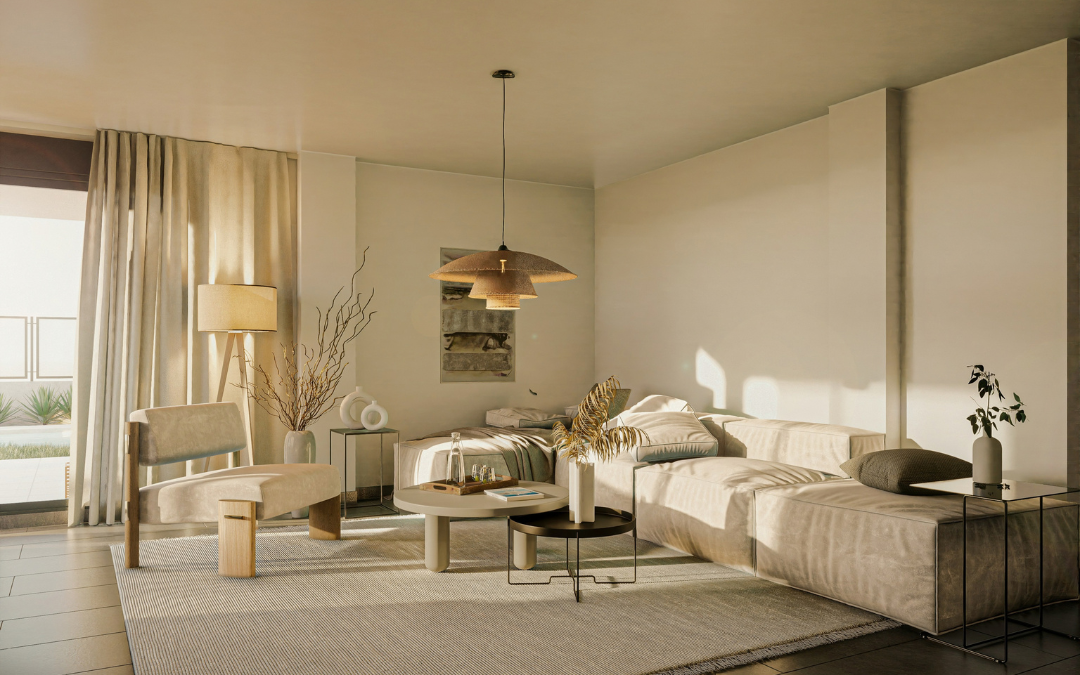
The most coherent personal interiors are often the ones where the aesthetic sensibility that someone has developed through their professional life has been allowed to express itself in the spaces they inhabit. A designer whose work is characterised by ethereal, feminine sophistication produces a home with the same qualities. A creative who works in bold, expressive forms surrounds themselves with bold, expressive objects. The consistency between professional aesthetic and personal environment is not accidental. It reflects a genuine, integrated sensibility rather than a compartmentalised one.
This does not mean a home should be a display case for one's professional work. It means the underlying values and instincts that shape professional creative decisions, a preference for lightness over weight, for organic forms over geometric ones, for layered texture over flat surfaces, will naturally express themselves in the home when the design decisions are made with genuine personal engagement rather than external reference.
The practical invitation here is to look at the work you do or the things you make and ask what values those choices reflect. Then ask whether those same values are present in the spaces you live in. The gap between the two is often where the most interesting design decisions can be made.
For anyone whose working life involves significant public exposure, whether through performance, public-facing business, or simply a demanding and social professional environment, the home as a sanctuary is not merely a lifestyle preference. It is a functional requirement. The home needs to provide genuine rest, genuine privacy, and a quality of calm and warmth that is the opposite of the world outside.
Designing for sanctuary means prioritising the sensory qualities that support genuine restoration. Soft, warm light that does not demand performance or alertness. Natural materials that feel good to touch. Spaces arranged for quiet and conversation rather than display and circulation. A palette of neutral, grounding tones that do not compete for attention. These decisions produce a home that feels genuinely restorative rather than simply domestic.
The resort-style home, with its emphasis on leisure, warmth, and the pleasures of being somewhere beautiful, is one expression of this sanctuary principle. The key is ensuring the resort quality is genuinely functional, that the lounging areas invite actual lounging, that the garden actually invites time outdoors, rather than simply photographing like a resort.
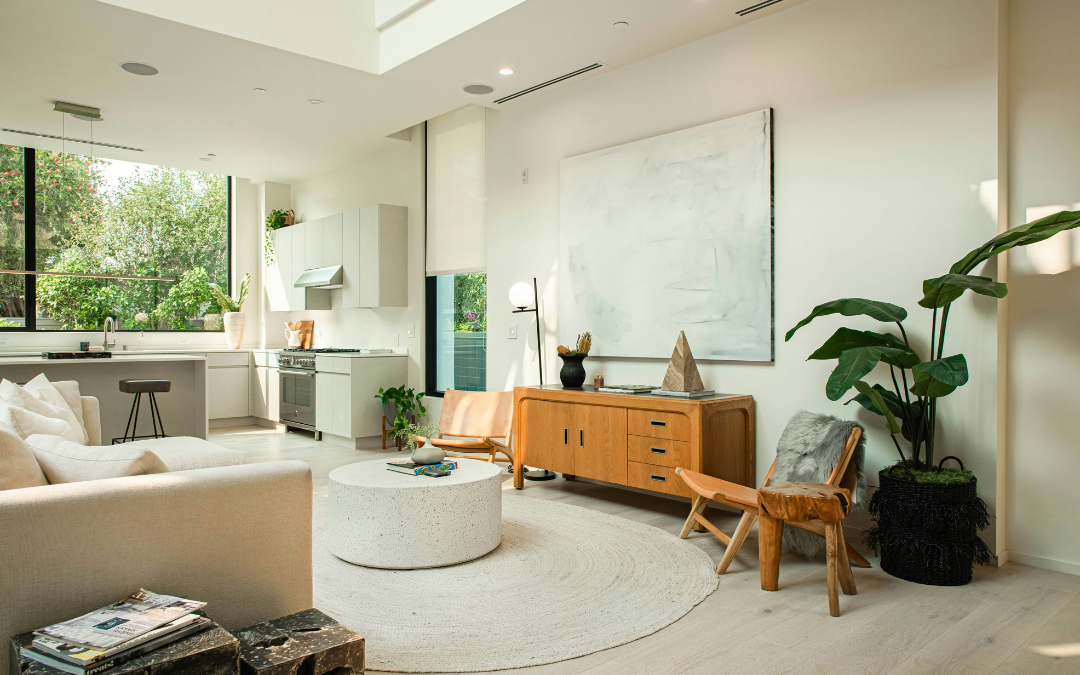
The most successful eco-conscious homes demonstrate that sustainable design and beautiful design are not in competition. Solar panels designed to be unobtrusive rather than dominant. Water recycling systems integrated into the building without requiring visible infrastructure. Recycled and reclaimed materials chosen for their aesthetic quality as much as their environmental credentials. A productive garden that feeds the household while contributing to the beauty of the outdoor space.
This integration of sustainability into beauty requires a design commitment from the outset rather than a sustainability retrofit applied to a conventionally designed home. When eco-conscious principles are built into the brief from the beginning, they shape decisions about site orientation, material selection, spatial organisation, and garden design in ways that produce outcomes that are simultaneously more beautiful and more responsible than conventional design.
The most powerful sustainable design principle available in any Australian home is passive solar orientation: positioning the main living spaces to receive winter sun and shading them from summer sun through eaves, pergolas, and plantings. This single decision, made at the planning stage, reduces heating and cooling loads significantly and produces living spaces that are naturally warm and bright in winter and cool and shaded in summer. Dulux offers colour consultation that considers how exterior and interior colours interact with the thermal performance of a building, which is worth engaging for any new build or significant renovation.
The most reliable material palette for an eco-conscious home that does not sacrifice warmth or beauty is one built on natural, minimally processed materials in a range of warm neutral tones. Timber in its natural grain. Stone in its quarried form. Linen, wool, and cotton in undyed or naturally dyed tones. Recycled timber with the patina of its previous life. These materials are both aesthetically beautiful and environmentally responsible, which is why they appear consistently in the most compelling sustainable homes.
The warm neutral palette that natural materials produce, a range of creams, sandy taupes, warm whites, and earthy browns, is also one of the most enduringly successful palettes in interior design. It responds well to natural light, it ages gracefully, and it provides a calm foundation that supports the changing seasons, different furniture arrangements, and evolving personal taste without requiring periodic updating.
Beaumont Tiles carries a range of natural stone and stone-look tiles suited to the sustainable, natural material palette, including recycled stone options that add genuine environmental credentials to a renovation or new build.
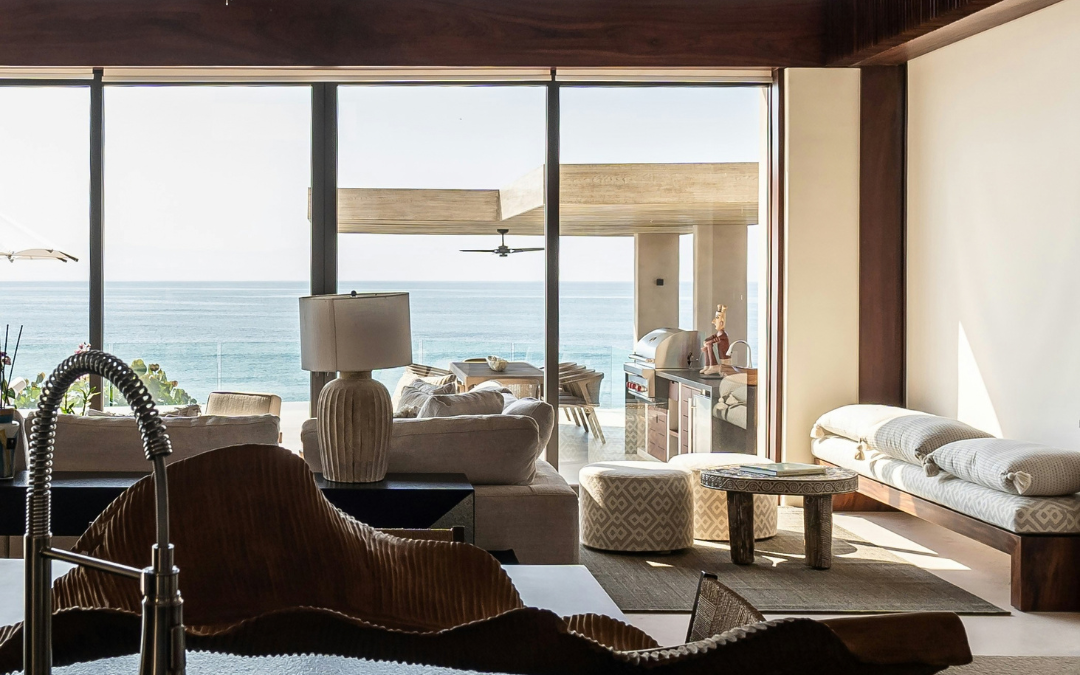
A garden that is both productive and beautiful, where food is grown alongside ornamental planting, where the outdoor space contributes to the household's food supply as well as its aesthetic pleasure, is one of the most genuinely satisfying features available in any residential property.
A productive garden does not need to be extensive to be meaningful. A herb garden accessible from the kitchen. A small vegetable bed positioned to receive the best sun. A fruit tree or two that provide seasonal abundance. A chicken coop that contributes eggs to the household while becoming a feature of the outdoor space. These additions give a garden a quality of purpose and engagement that purely ornamental planting cannot provide, and they create a connection between the household and the natural world that enriches daily life in ways that are difficult to quantify.
The integration of productive gardening into the overall landscape design requires some planning. Productive areas need good sun and water access. They need to be positioned where they are easy to visit and tend regularly. And they need to be integrated into the design of the garden in a way that makes them feel like a deliberate choice rather than an afterthought. Bunnings carries a comprehensive range of productive garden supplies suited to the Australian climate and any scale of productive garden project.
A swimming pool designed to look like a natural body of water, with organic edges, natural stone surrounds, and planting that softens the boundary between the pool and the garden, creates a fundamentally different experience from a rectangular pool with tiled surrounds and a concrete deck.
The naturalistic pool belongs to the landscape rather than interrupting it. It invites a different kind of use, one that feels more like swimming in nature than exercising in a fitness facility. And it ages differently, becoming more beautiful as the planting matures and the natural stone develops the patina of exposure rather than looking newer when new and increasingly dated as it ages.
The naturalistic pool requires a larger site and a more substantial investment than a conventional pool, but the result is a feature that adds genuine landscape value to the property rather than simply recreational value. The position of a naturalistic pool within the garden design is particularly important: it should be placed to take advantage of views and to create the sense of discovering a natural water body within the landscape rather than arriving at a constructed facility.
The homes that feel most genuinely personal are not the ones with the most expensive finishes or the most recognisable design references. They are the ones where every decision, from the orientation of the building to the choice of materials to the design of the garden, reflects a set of values that the people who live there hold genuinely and consistently.
Eco-consciousness. Sanctuary. The professional aesthetic expressed in personal spaces. The productive garden. The naturalistic pool. These are all expressions of the same underlying commitment: to live in a home that is not simply beautiful but that is genuinely aligned with who you are.
If you would like help designing a home that reflects your values as clearly as your taste, get in touch. It is the kind of brief we find most meaningful to work on.


