

Every new year brings a fresh opportunity to look at how a home feels and whether it still reflects the way you actually want to live. In 2026, the direction in interior design is unmistakable: a move away from the cool, pared-back minimalism that has dominated for the past decade and toward something warmer, more textural, and more genuinely comfortable.
Three ideas define the year ahead: character, warmth, and organic design. Here is what each looks like in practice and how to bring them into your own home.
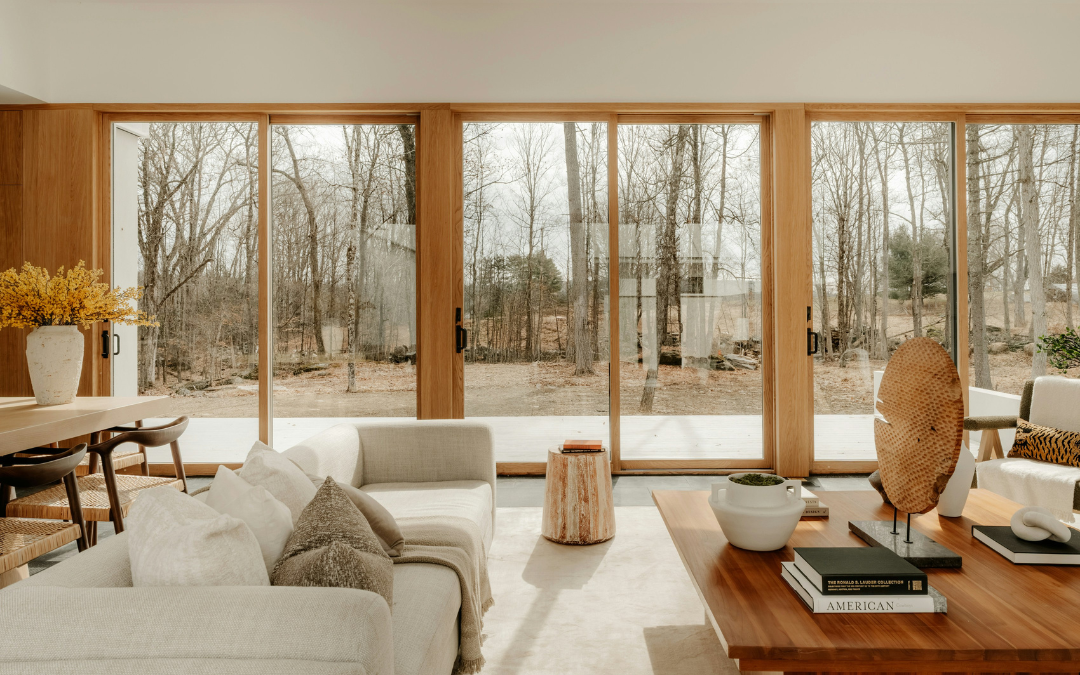
The starkly white, cool-toned interiors that have defined contemporary design for years are giving way to something richer and more grounded. In 2026, warm timber is taking centre stage, with honeyed oak, walnut, and deeper stained finishes adding the depth and comfort that pale, uniform surfaces have lacked.
This shift extends to stone as well. Dramatic, richly veined natural stone in deeper tones is replacing the stark whites and pale greys that defined the previous decade of kitchen and bathroom design. The overall effect is a home that feels layered and organic rather than clinical.
Bringing this into your own home does not require a full renovation. Introducing a single piece of warm timber furniture, a dining table, a sideboard, or open shelving, into a predominantly cool-toned room can shift its character significantly. If you are renovating a kitchen or bathroom, choosing a stone with movement and warmth rather than a flat, uniform white is the single highest-impact material decision you can make. Beaumont Tiles carries an expanding range of warmer stone-look tiles and natural stone options that reflect this shift.
Earth-inspired hues continue their strong return into Australian interiors. Terracotta, clay, rust, sand, and muted ochre are appearing across tiles, walls, and decorative finishes throughout 2026, reinterpreted in more refined, matte applications that feel considered rather than retro.
These tones work because they reference the natural landscape rather than a manufactured colour trend, which gives them a quality of timelessness that brighter, more saturated colours can lack. Used thoughtfully, earthy tones bring genuine warmth and personality to bathrooms, kitchens, and living spaces without overwhelming a room the way a bolder colour choice might.
The most effective way to introduce this palette is through a single dominant surface, a terracotta tiled splashback, a clay-toned feature wall, or an ochre velvet sofa, paired with neutral surfaces around it. This lets the earthy tone do the work of giving the room character without requiring every surface to participate. For guidance on building a full palette around an earthy base, our guide to choosing a colour palette for your home walks through the process in detail.
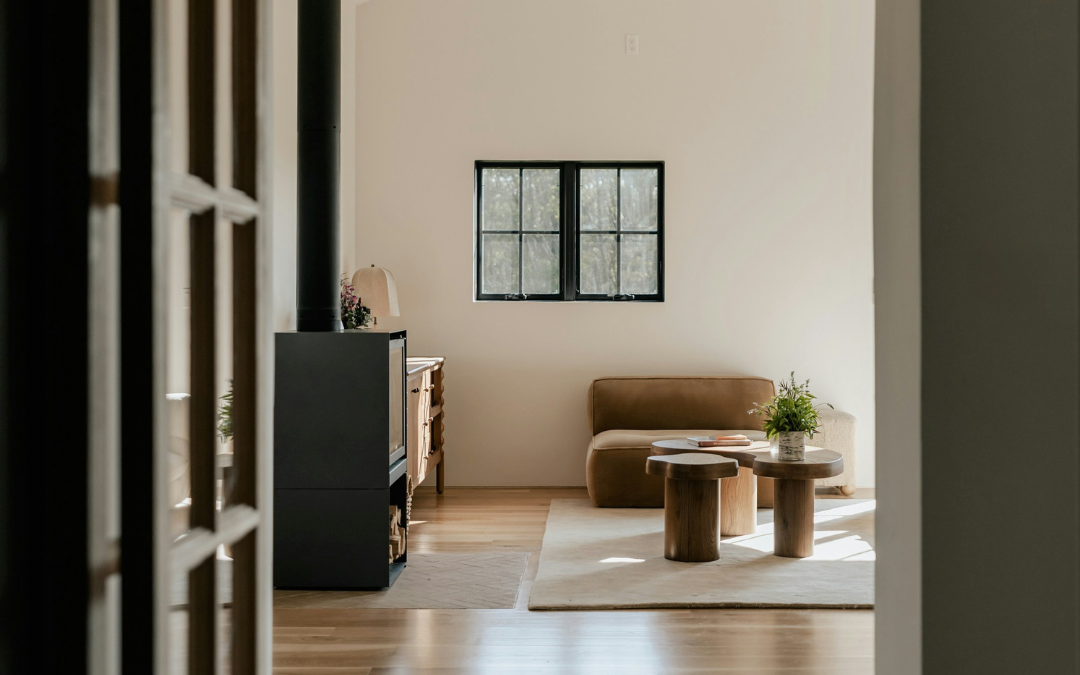
Perhaps the most welcome shift in 2026 is the prioritisation of genuine comfort over rigid minimalism. Hard-lined, overly minimal furniture is giving way to softer silhouettes, curved forms, and tactile fabrics across sofas, bed frames, and dining seating.
Linen, velvet, and textured bouclé weaves are appearing more frequently as upholstery choices, replacing the flatter, more clinical fabrics that defined the previous design era. Curved sofa arms, rounded dining chairs, and softly upholstered bed frames all contribute to interiors that feel emotionally welcoming rather than merely photogenic.
This trend reflects something genuinely important about how people want to use their homes after several years of spending more time in them than ever before. A home should feel like somewhere to be comfortable, not a space designed primarily to be looked at. When choosing new furniture in 2026, prioritising how a piece feels to sit in and live with, not just how it photographs, is the right instinct.
Rigid, highly structured layouts are giving way to more flexible and intuitive floor plans. Rather than formal divisions between cooking, dining, relaxing, and working zones, homes are being designed to flow naturally between these activities throughout the day.
Open plan living remains popular, but the execution has matured. Instead of one undifferentiated open space, the most successful 2026 layouts use furniture placement, lighting, rugs, and material changes to create intentional zoning within an open footprint. A change in flooring material, a drop in ceiling height, or a cluster of furniture arranged to face inward can define a zone just as effectively as a wall, while preserving the flow and natural light that make open plan living appealing in the first place.
This approach particularly suits the way many Australians now use their homes, with the lines between work, rest, and family life blurring throughout an average day. A home office that doubles as a reading nook in the evening, or a dining area that becomes a workspace during school holidays, reflects this more fluid and adaptive approach to layout planning.
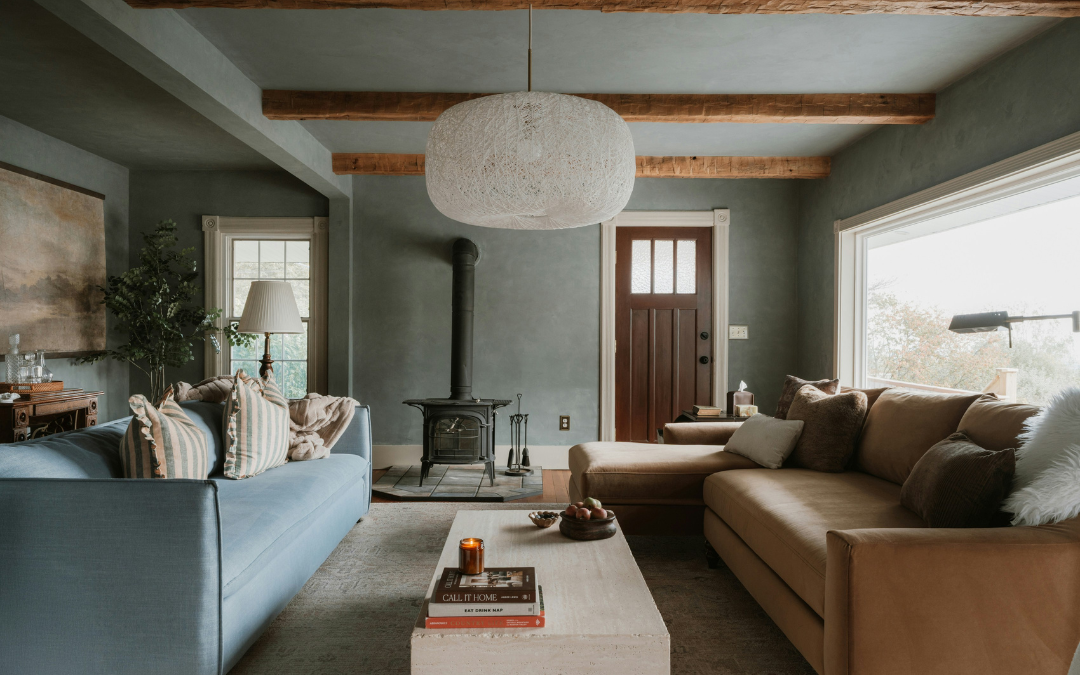
Across all four of these directions, the underlying theme is consistent. Homes in 2026 are becoming more personal, more tactile, and more genuinely grounded in how people live day to day, rather than designed to chase a particular aesthetic ideal.
The shift away from strict minimalism is not a rejection of considered design. It is a recognition that the most successful interiors are the ones that feel as good to live in as they look in a photograph, and that warmth, texture, and comfort are not in conflict with sophisticated design. They are, increasingly, what sophisticated design looks like.
If these directions resonate with how you would like your own home to feel, get in touch. We would love to help you bring more warmth, character, and comfort into your space, whether that means a single considered update or a full renovation.


